Construction and Civil Engineering News and Knowledge

Concrete

Common Rebar Mistakes -

Common Rebar Mistakes to Avoid

9 Common Rebar Mistakes to Watch for on Construction Sites Reinforcement steel is one of the most critical components of a reinforced concrete structure. The quality of the final structure depends not only on the concrete itself, but also on whether the reinforcement is correctly sized, positioned, spaced, anchored, and protected. Small mistakes during rebar installation can lead to serious problems later, particularly when they […] Read More
Slab Pour Strips -

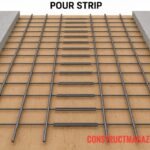
Pour strip

Concrete Pour Strips: Purpose, Design, and Construction Considerations During the construction of large concrete slabs, engineers sometimes intentionally leave a narrow section unpoured. Known as a pour strip or closure strip, this temporary opening allows the surrounding concrete to undergo most of its early shrinkage before the remaining section is cast. Once the strip is filled, the slab becomes structurally continuous with lower restraint stresses […] Read More

Cold Joints in Concrete: Causes, Prevention, Fixes -

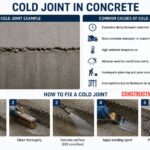
Cold Joints in Concrete - Causes, Prevention, Fixes

Cold joints are one of the most common quality issues encountered during concrete placement. They occur when fresh concrete is placed against concrete that has already begun to set, preventing the two layers from bonding into a single, monolithic element. Although a cold joint doesn’t always necessarily mean a structural failure, it can reduce strength, increase permeability, and create long-term durability concerns. Understanding Initial Set […] Read More

Shoring and Reshoring in RC Building Construction -

Shoring and Reshoring of a multistory Reinforced Concrete Building

Freshly poured concrete hardens within a few hours but needs about four weeks to reach full design strength. In multistory cast-in-place buildings, this waiting period can delay construction schedules, so engineers often remove formwork earlier and use shoring and reshoring to safely transfer loads to lower floors that have gained more strength. With proper planning, floor cycles can be reduced to about two weeks. Shoring […] Read More

Earthquake Failures in Buildings -

This is one of the posts in a series of our posts that we discuss failures. Also check out the other posts in constructmagazine.com, where we discuss failures in different contexts of civil engineering. A Brief Introduction of Earthquakes vs. Structures: Earthquakes are very important aspect of most design in civil engineering, and for any type of structure. The fundamental earthquake principles as it applies […] Read More

Structural Engineering Failures -

Structural engineering is a major branch of civil engineering, and realistically the first thing that comes to mind of many, when the words civil engineering are mentioned. It deals with designing the body of all types of structures and their supplementary components, connections, attachments per the criteria given in codes, to ensure public comfort and safety. As we mentioned in the previous post in Construct […] Read More