Shoring and Reshoring in RC Building Construction
Freshly poured concrete hardens within a few hours but needs about four weeks to reach full design strength.
In multistory cast-in-place buildings, this waiting period can delay construction schedules, so engineers often remove formwork earlier and use shoring and reshoring to safely transfer loads to lower floors that have gained more strength.
With proper planning, floor cycles can be reduced to about two weeks.
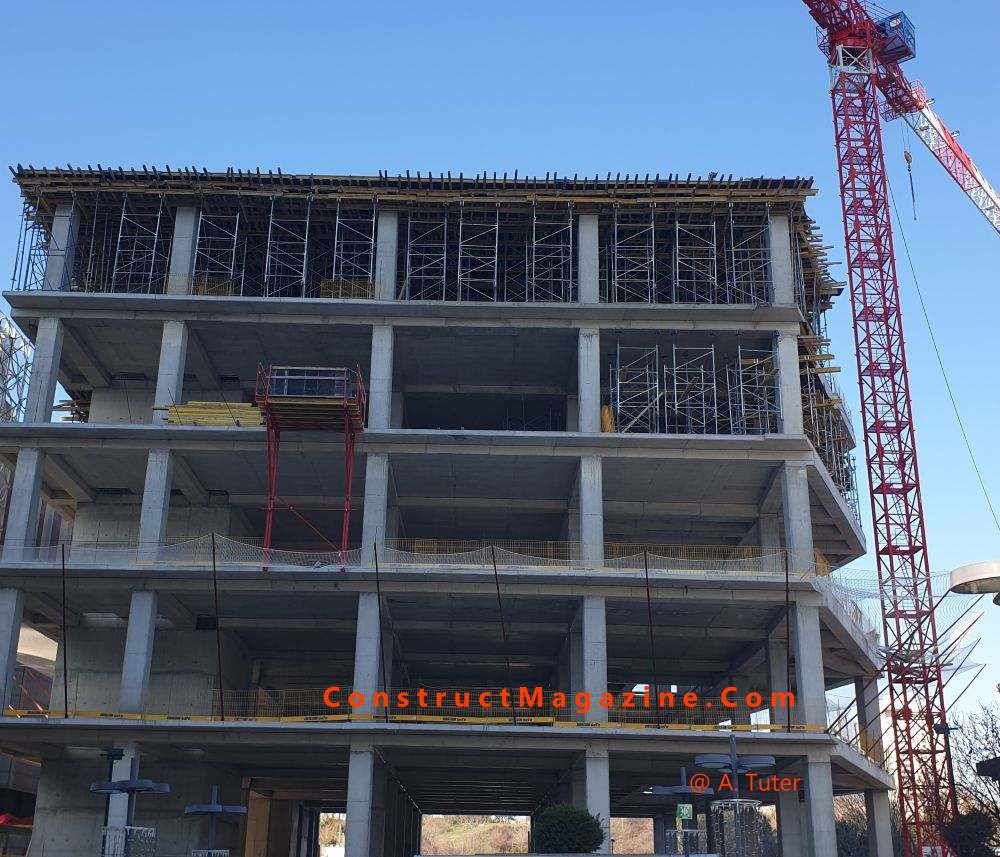
Shoring means supporting the formwork and fresh concrete of a new slab using posts placed on the floor below. For example, when pouring the 5th floor slab, shores are installed on the 4th floor to carry the weight of the formwork, fresh concrete, workers, and equipment.
Reshoring occurs after the new slab gains enough strength to support its own weight. The original shores are removed, allowing the slab to carry itself, and then posts are reinstalled loosely beneath it. These reshores do not carry the slab’s own weight; instead, they remain ready to transfer additional loads from future construction above to lower, stronger floors. When the next floor is poured, loads bypass the recently completed slab and are distributed through the reshores to floors below. Typically, reshoring extends several levels downward to spread the load.
Guidelines such as ACI 347.2R-05 outline key principles for shoring and reshoring, including aligning posts floor-to-floor, assuming shores are much stiffer than slabs, and distributing loads among connected slabs according to their stiffness. The goal is to maintain safety and structural performance while keeping construction efficient. Removing supports too early can cause cracking or permanent deflection, while waiting too long slows the project and increases costs.
Shoring design must also account for construction live loads, which can include workers, equipment, and formwork and may approach half the weight of the slab itself. In some cases, these temporary loads exceed the building’s normal design live loads, making proper analysis essential. Complex structures may require additional temporary bracing and monitoring of displacements throughout construction to ensure stability.
A typical shoring system consists of formwork panels, horizontal beams or joists, and vertical props (shores). The formwork shapes the concrete, while the beams and joists support the panels and transfer loads to the vertical shores below. The shores then carry these loads down to the floor or ground beneath.
The loads acting on a shoring system include the weight of fresh concrete, reinforcement bars, formwork materials, and construction loads such as workers and equipment operating on the slab during placement. These loads are transferred through the formwork system and ultimately carried by the vertical shores.
Adjustable steel props are commonly used in modern construction because their telescopic design allows quick height adjustment and reuse on multiple floors. For larger structures or heavier loads, frame shoring systems or shoring towers may be used instead.
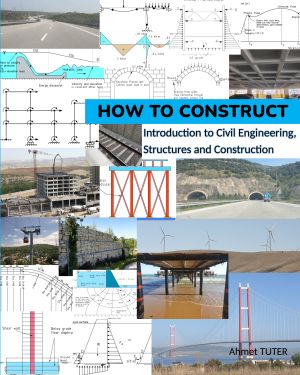
Reference: How to Construct: Introduction to Civil Engineering, Structures and Construction
Post By: A. Tuter
Terms of Use: Unauthorized copying is prohibited; we maintain dated records to document original publication. Content is provided “as is” and may contain inaccuracies; use it at your own risk. See our Terms Page.